
The first look before service starts
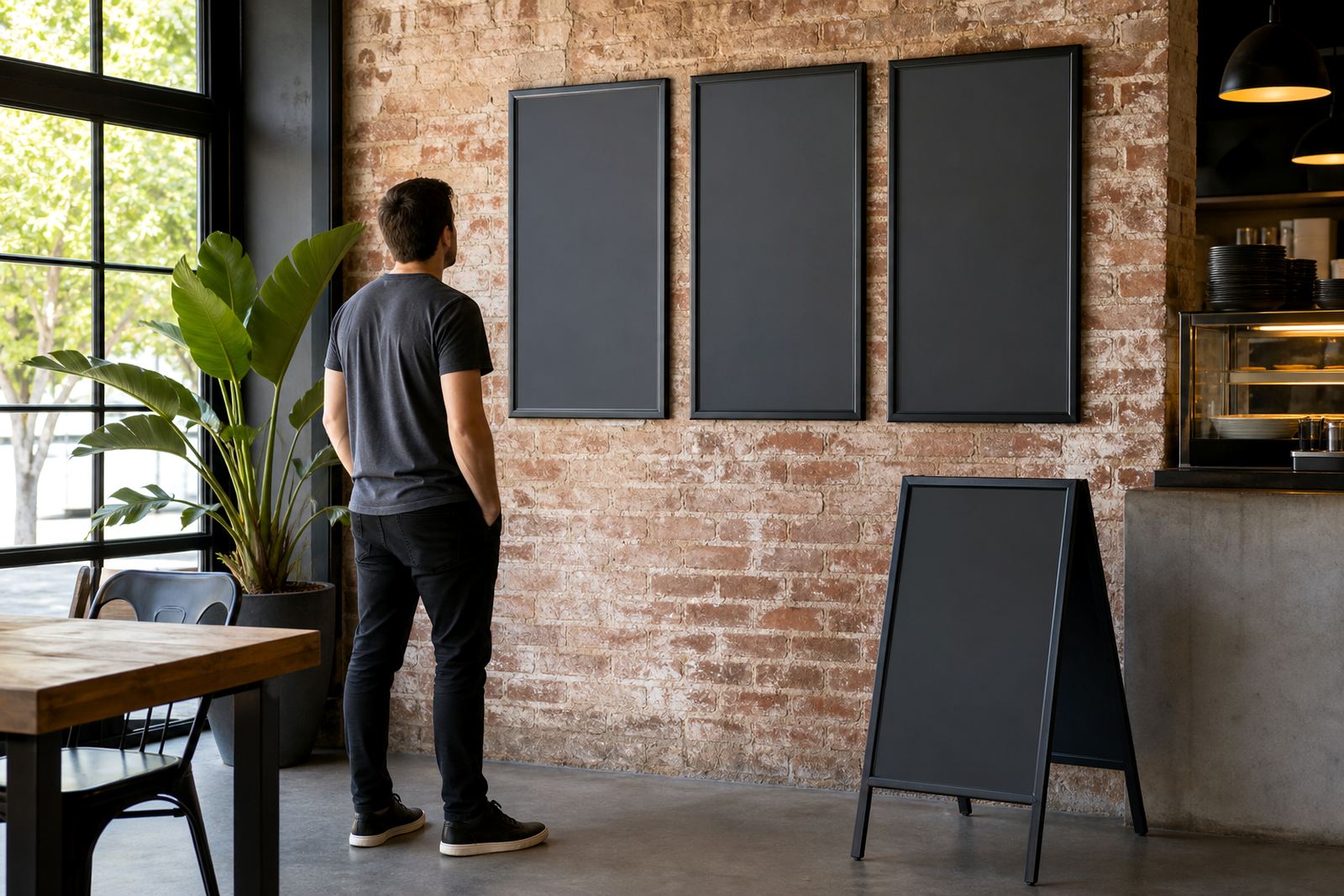
Before the rush begins, walk past every menu display and look at it the way a customer would. Check that the frame sits square on the wall, the A-frame stand is stable on the floor, and the insert reads clearly at eye level. Fingerprints on anti-glare covers, lifted corners, and a crooked poster all make the counter look untidy before a single order is placed.
In a Paarden Eiland takeaway counter, mornings often start with salt air, dust from passing traffic and a few marks left from the last night shift. A soft cloth, a quick check of the hinges and one look at the print edges usually sorts the small issues before they grow into a service snag.
- Wipe the cover with a dry microfibre cloth first.
- Check that the spring edges close flush on all sides.
- Make sure the artwork is the right size for A4 or A3.
- Confirm that the frame has not slipped on its hooks or fixings.
What to check on wall-mounted frames
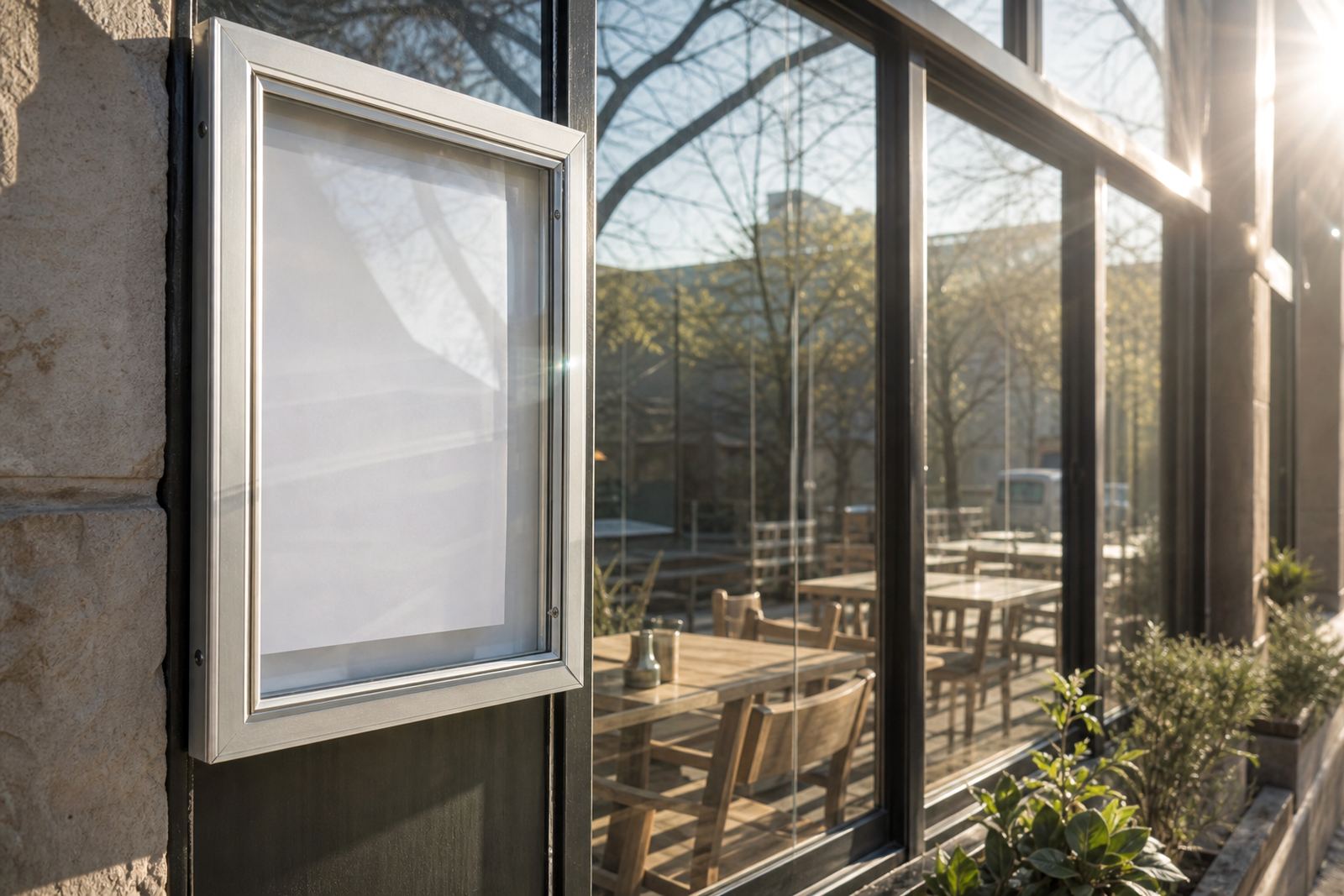
Wall menu boards take the most handling in places where specials change often. The frame should open and close without forcing, and the backing board must hold the insert flat so the text does not curl at the corners. If a menu is mounted in a window, check for glare at different times of day, because strong Cape light can wash out lighter text and pale backgrounds.
Open each frame and feel for loose corners, cracked covers or dust trapped inside. If the display sits near a kitchen pass, a bar counter or a coffee machine, steam and grease can leave a film that makes the print look tired long before it needs replacing.
- Test each snap edge gently, never with a hard shove.
- Check that the cover sheet is clean and unscuffed.
- Look for moisture inside the frame after humid days.
- Confirm that the printed sheet is centred and trimmed properly.
A-frame stands that stay upright outside and in
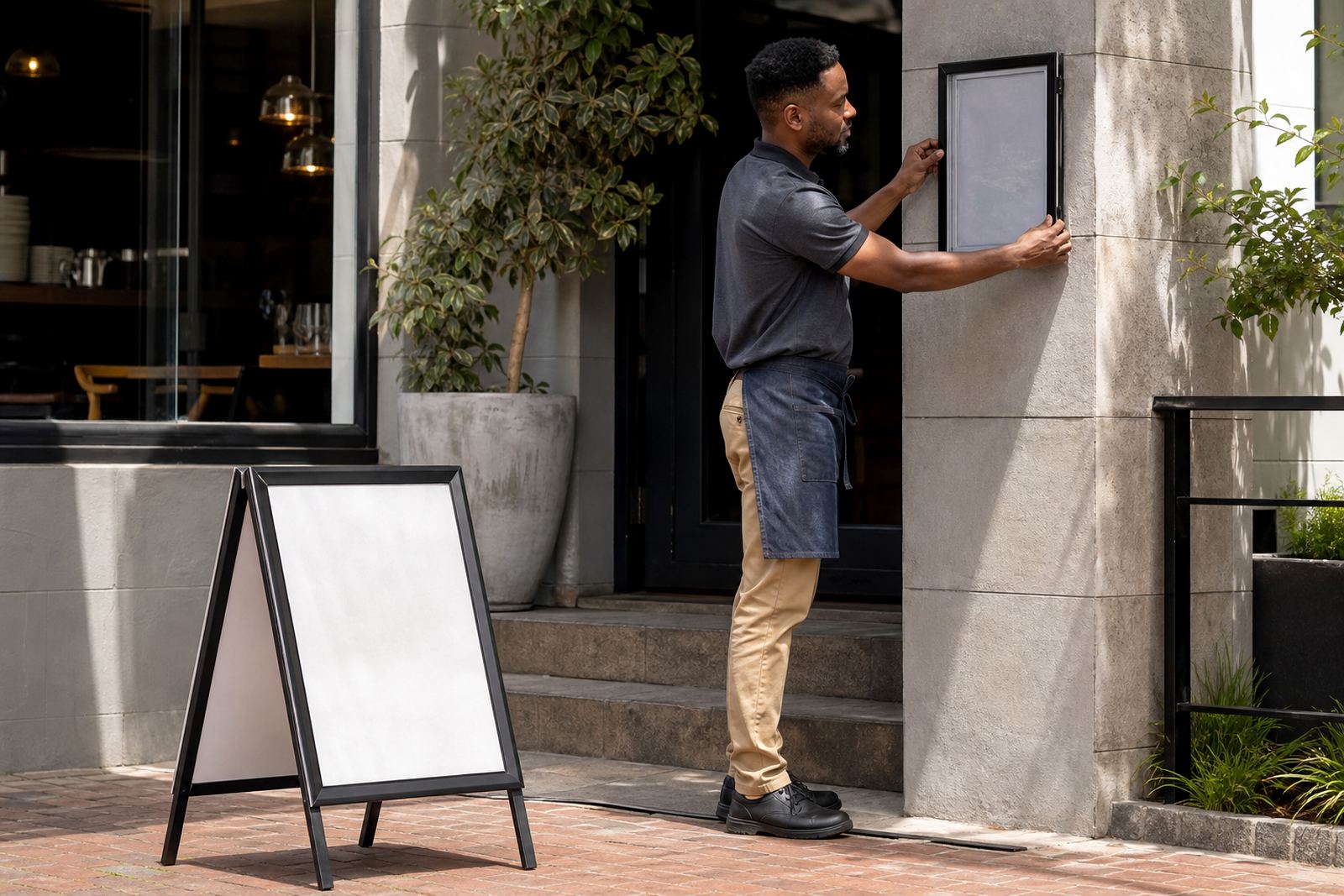
A-frame menu stands are useful at entrances, pavement edges and courtyard spots where guests need a quick read before they sit down. The daily check is mostly about balance and visibility. Make sure the legs open fully, the hinges move freely and the sign boards do not swing in the wind. On a windy afternoon in Milnerton or near the promenade, a poorly placed stand can shift, tip or scrape across the paving.
For outdoor use, the finish should be clean and the boards should close properly at the end of service. If the insert is laminated, look for lifted edges where rain or floor cleaning water may creep in. If chalkboard panels are part of the display, keep the writing legible and wipe them down before chalk dust builds up.
- Place the stand on level ground, not on loose paving.
- Check hinges, chains and corner protectors for wear.
- Wipe off dust before writing new daily specials.
- Bring the stand in or secure it when the weather turns rough.
Print changes that do not waste time
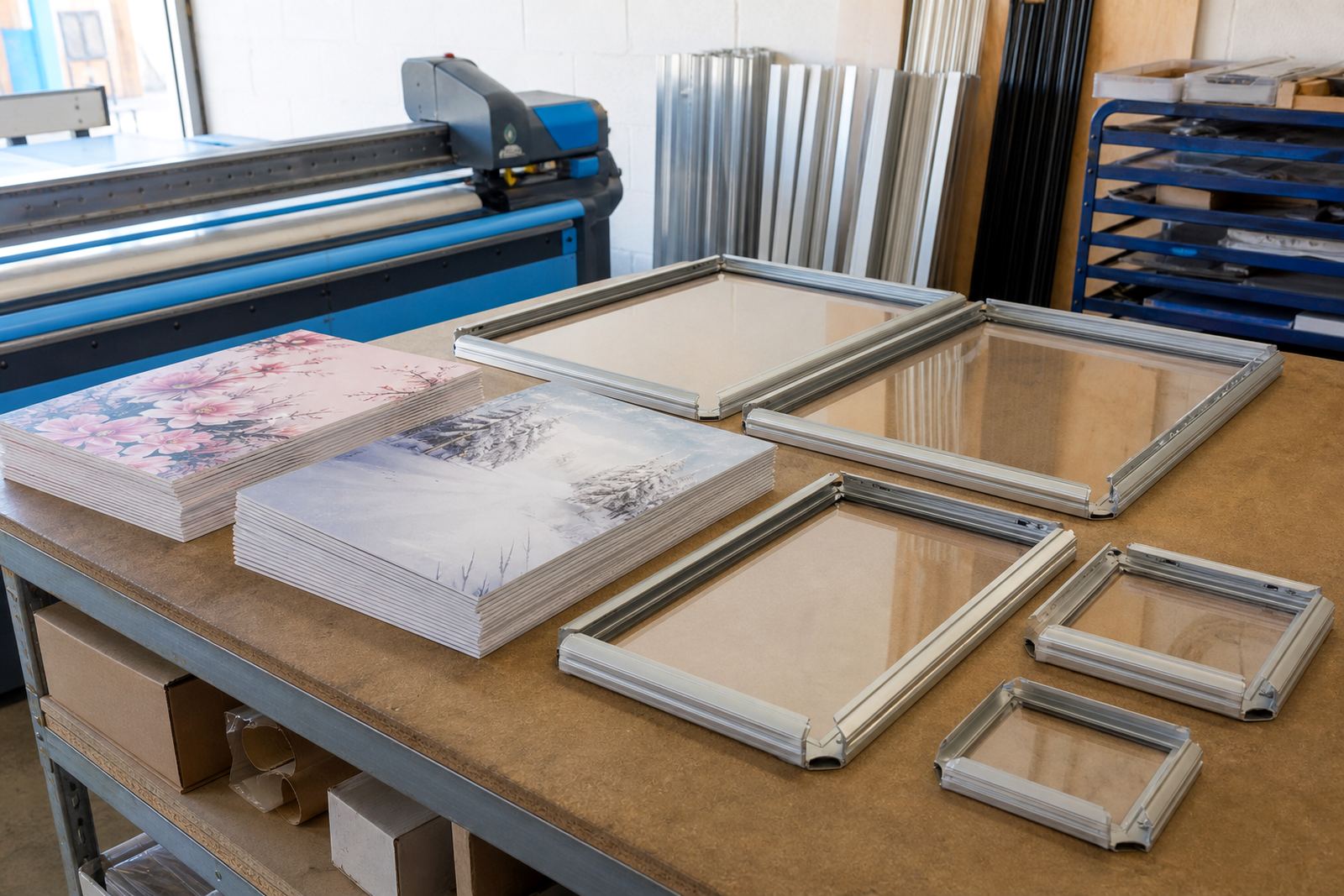
Daily checks are easier when the printed inserts are made for quick swaps. A4 menu templates suit compact counters and smaller wine lists, while A3 menu templates give more space for breakfast sets, combo meals or longer service lists. If the text changes often, use clean type, firm margins and clear spacing so the menu still reads well after a reprint or a resize.
Menu proofing matters here. A spelling slip or a price break in the wrong spot can sit in a frame for days if nobody catches it before the rush. In Johannesburg, Durban or Gqeberha branches, where menus often move between shop floors and courier runs, the print file should match the frame size exactly before it leaves the studio.
- Match the insert size to the frame opening before printing.
- Keep the same font family across updates where possible.
- Check pricing blocks and dish names against the final menu.
- Use laminated prints where spills and handling are common.
Close-up work that protects the next opening
Closing checks are not only about locking the door. They are about leaving every display ready for the next shift. Remove loose flyers, wipe off sauce marks near the counter and close each snap edge fully so dust cannot drift into the frame overnight. If the menu board has been moved for cleaning, put it back in the same place so staff do not start the next morning with a hunt for missing signs.
In a busy Cape Town café, the close often happens while the last staff member is counting stock and clearing tables. That is when a short routine helps most. Fold the A-frame flat, stack spare inserts in one marked spot and keep replacement sheets away from damp floors or prep sinks.
- Lock wall frames shut after cleaning the covers.
- Store spare inserts flat, not curled in a pile.
- Move freestanding boards to a dry indoor spot.
- Keep a note of damaged covers or bent corners.
A local routine that fits real trading hours
In Paarden Eiland, a takeaway counter can open with strong morning light on one side and shade on the other, which is why a display check has to be practical not fancy. A staff member can scan the front windows, the wall boards and the pavement sign in under a minute if the system is organised. The point is not perfection, it is making sure the menu is readable, secure and ready for trade.
One restaurant team near the harbour used to lose time because the lunch special was printed on a sheet that was just a few millimetres too large for the frame. The corners kept curling and the staff had to fight the cover every day. Once the print was resized properly, the opening routine got easier and the board stayed neat through the lunch period.
Daily checks work best when the same person handles the same display zone each shift. That habit makes small faults easier to spot, and it keeps the boards looking cared for without turning opening or closing into a long job.