When the breakfast board must move with the till
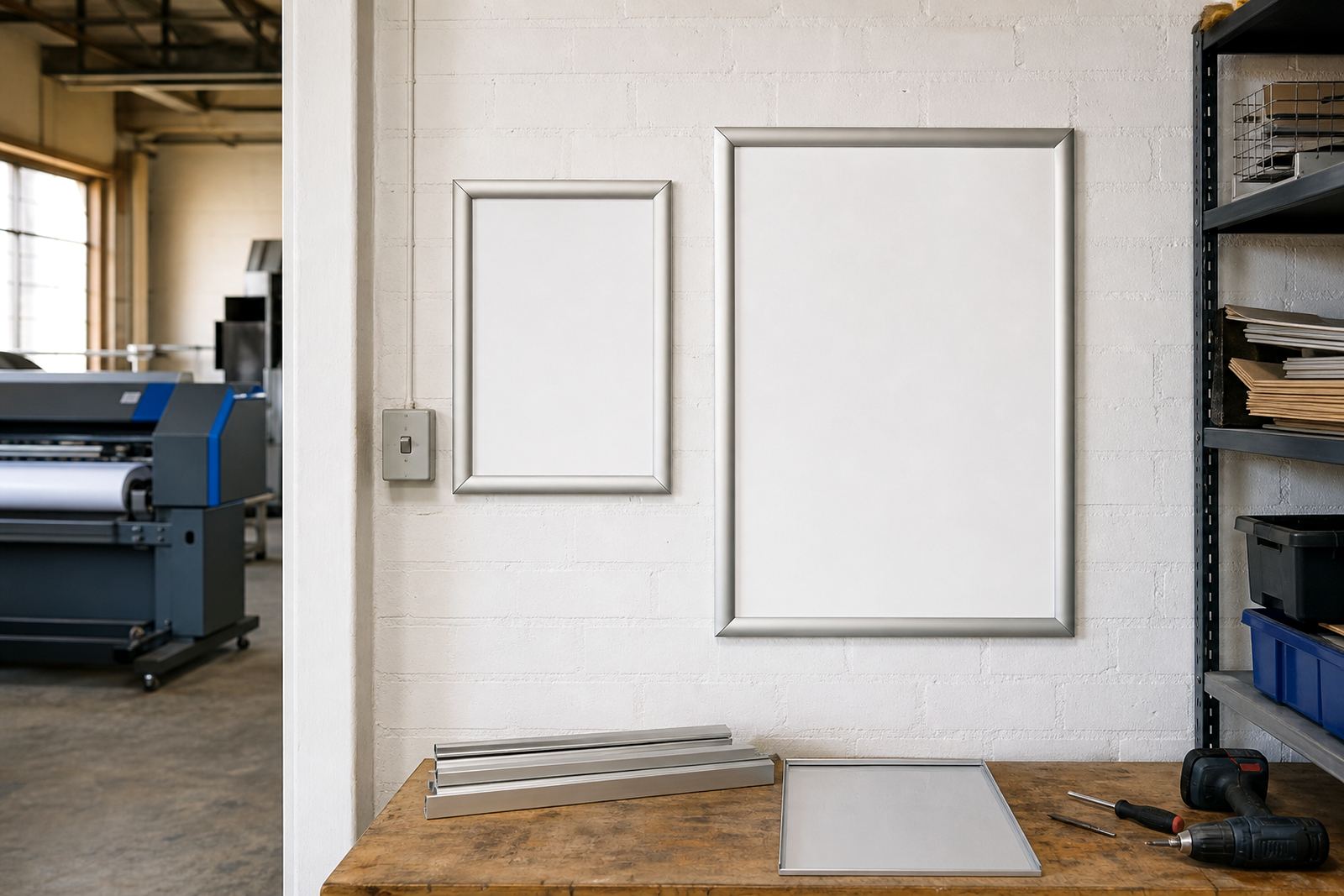
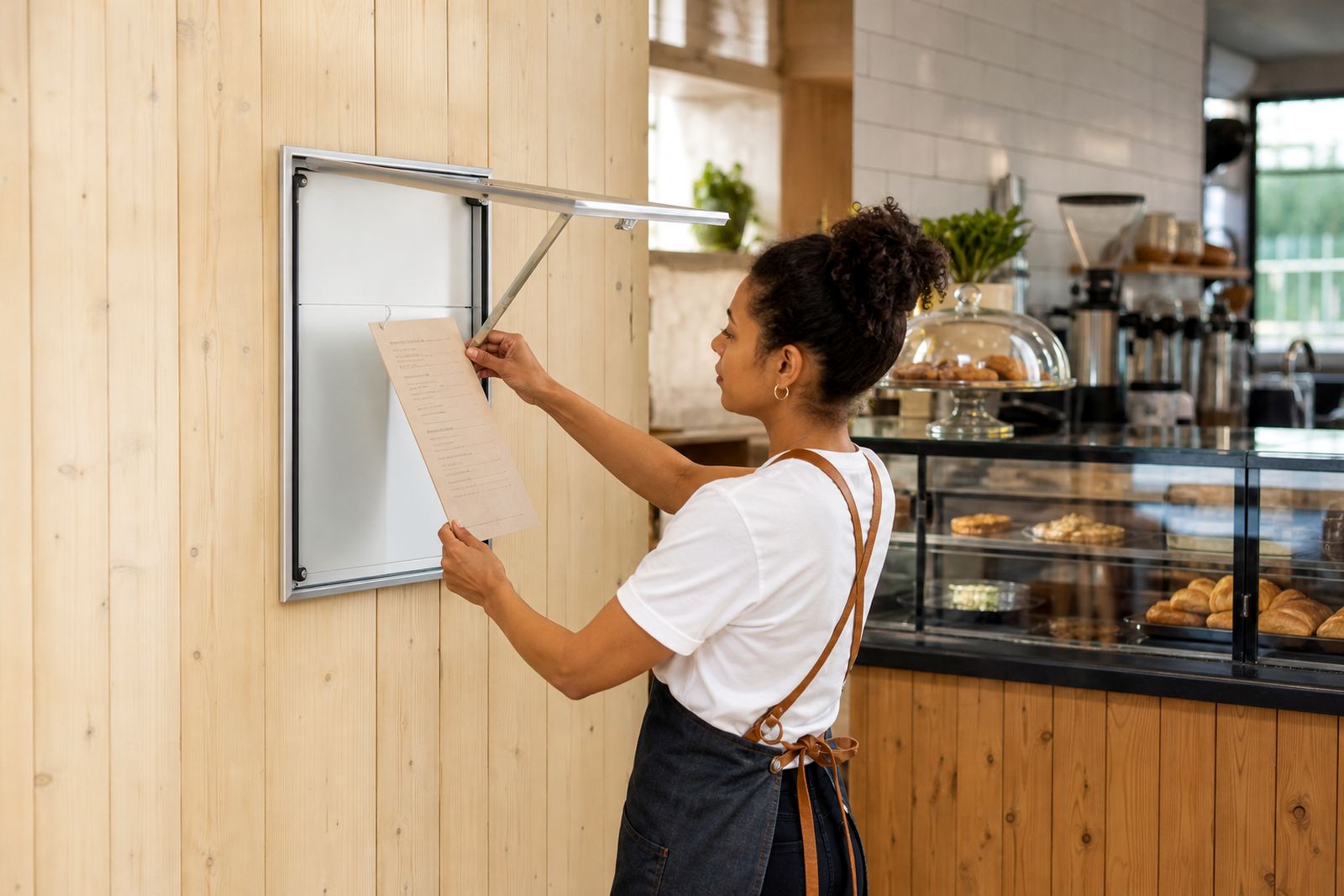
In a busy cafe, the menu often changes while the first tables are still finishing coffee. Specials run out, the lunch grill starts warming up and the counter needs a fresh price list without slowing the queue. That is where snap menu frames earn their place. An A4 or A3 frame with aluminium profile and a clear anti-glare cover lets staff lift the edge, slide in a new print and close it again in seconds.
For counter service, that small change matters. A printed breakfast board can sit on the wall or window from opening time, then move to the day menu once the short-order rush eases. In Paarden Eiland and across Cape Town, many food counters work with limited wall space, so a slim frame is cleaner than a bulky board with loose inserts and tape marks all over it.
At SnapperFrame Menus, the point is not decoration for its own sake. It is a practical way to keep pricing current, keep the board tidy and stop staff from rewriting the same specials by hand every morning.
Sizing the board to match the pace of service
Breakfast menus are often shorter than lunch menus, yet they still need enough room for clear reading. A4 works well for a narrow specials list, kids options or a small takeaway counter. A3 gives more breathing room when the cafe carries hot drinks, plated breakfasts, bakery items and add-ons on one board. If the print is too small, staff end up answering the same menu questions at the till and that slows the flow.
Menu resizing is useful when one layout has to move between wall use and window use, or when a print needs to fit inside a snap frame already fixed above the counter. Print-ready templates make that change less messy. The margins, crop lines and live area need to match the frame, otherwise the price line can sit too close to the edge or the logo can feel squeezed.
- A4 suits tight spaces, price boards and short inserts.
- A3 suits fuller breakfast and lunch layouts.
- Wall mounting works well where the queue faces one direction.
- Window mounting helps when passers-by need to see the offer before entering.
Menu typesetting also matters more than many owners think. A clean type hierarchy keeps eggs, toast, bowls and drinks readable at a glance. If the breakfast range changes often, the layout should leave room for specials blocks and quick price edits, otherwise every update becomes a fresh headache.
What a breakfast-to-lunch frame setup usually includes
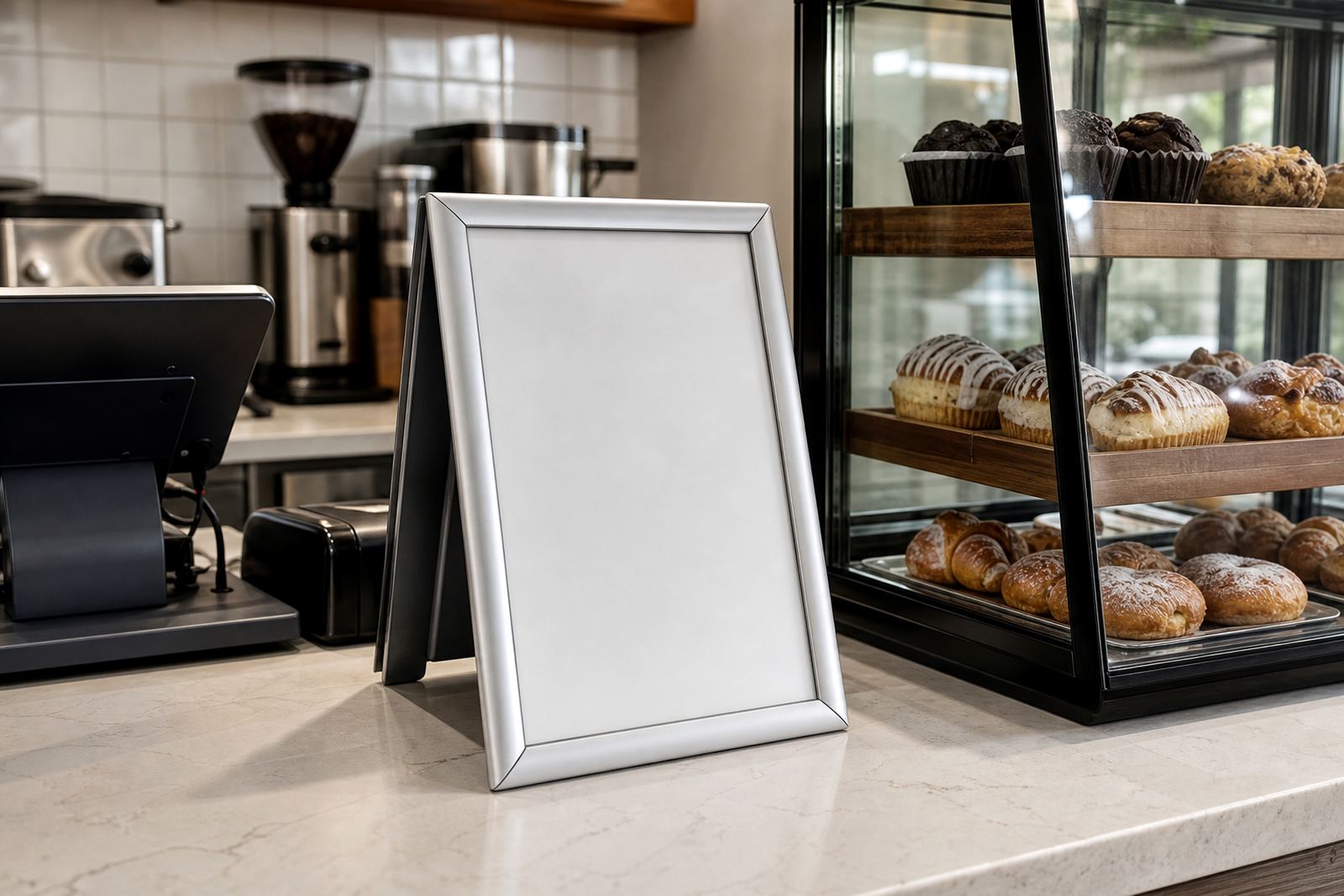
A practical setup often combines wall menu boards for the inside counter and an A-frame stand for the entrance or pavement edge. The wall board can carry the full range, while the A-frame highlights breakfast combos early on and lunch specials later. In Cape Town weather, an outdoor stand needs stable feet and a format that stays legible in coastal light. Anti-glare covers help when sun bounces off glass or polished tiles.
Snap frames are built around an aluminium profile that opens and closes from the front, so the insert can be replaced without removing the whole unit. That saves time during service and keeps the board looking neat. Some cafes also use chalkboards for daily specials, but a chalkboard alone can become crowded if the menu changes often. A mixed approach works better in many cases, with a snap frame for the fixed menu and a chalkboard for the day item. It is a simple combination, though not every counter has the wall space for both.
- Aluminium profile for a firm, neat edge.
- Anti-glare cover for easier reading near windows.
- Wall and window mounting for flexible placement.
- A-frame stands for entrances, pavements and queue lines.
- Courier packaging for moving boards between branches.
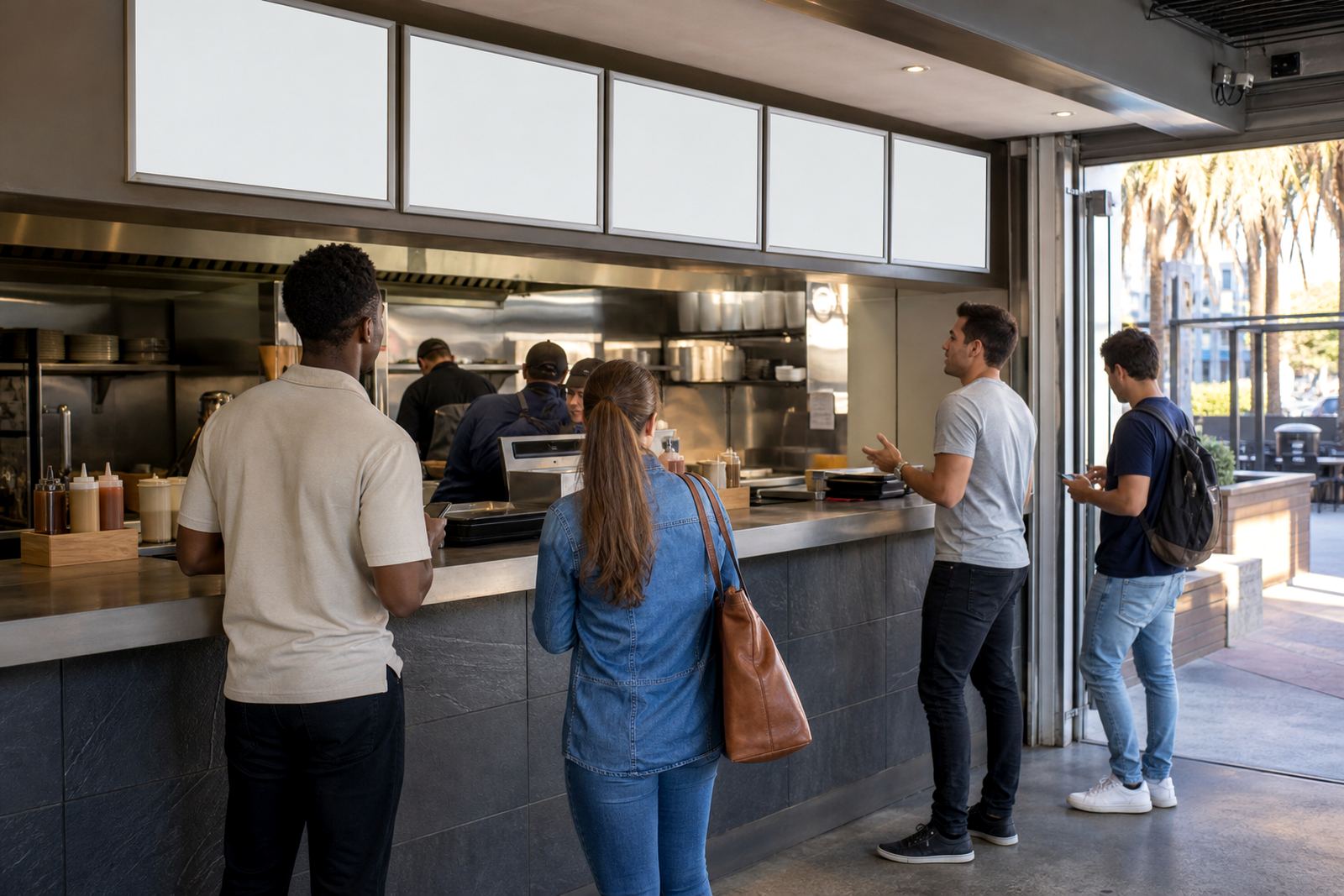
Where a cafe has a kitchen pass, a small window-mounted board can also help the team keep the shift list in one place. It reduces the paper clutter that tends to build up around till areas, and the board stays in sight for staff and customers alike.
Local example from the Cape side of the city
A breakfast counter in Milnerton may start the day with croissants, omelettes and coffee specials, then switch to toasted sandwiches and lighter lunches once the office crowd starts arriving. If the menu is printed on loose sheets, the changeover usually means tape, scissors and a rushed reprint. With a snap frame, the printed breakfast sheet comes out cleanly and the lunch insert goes in without fuss. That is easier for the team, and it also looks sharper from the pavement.
For a site in Stellenbosch or Bellville, the same logic still applies even if the customer mix differs. Student traffic, office traffic and weekend family trade all affect what sits on the board at each hour. Menu updates can be printed in short runs, then packed for courier delivery to branches in Johannesburg, Durban or Gqeberha when the same layout needs to be used across several locations.
Print finishing matters in humid coastal air too. Laminated menu prints hold up better when staff are handling them through the morning rush, and a clean finish avoids edge wear from repeated swapping. If the cafe likes to refresh breakfast and lunch boards often, it is worth keeping a master file with the correct sizes already set up, so the next change is just a matter of swapping the insert. That saves a surprising amount of time over a busy week.
Keeping the board tidy when specials change
The best breakfast changeover boards are the ones that stay calm under pressure. They are easy to read, easy to open and easy to update without pulling the whole counter apart. A menu that changes by hand several times a day needs a layout that can handle it, including enough spacing around prices, add-ons and short notes like vegetarian or gluten aware items where needed. If the board is too packed, the changeover becomes harder than the cooking.
Menu proofing helps catch small errors before the prints are sent out. One wrong price or a missing item can throw off the whole service line, especially when the cafe has more than one branch. Short run printing is useful when the breakfast line changes seasonally, or when a test menu needs to be checked before a larger rollout. Courier packaging keeps the frames and inserts protected while moving between branches or across town.
- Keep one master layout for breakfast and one for lunch.
- Use the same type style across all branches.
- Leave room for specials without crowding the frame.
- Match the print size to the actual snap frame opening.
- Check prices before every new print run.
Ordering boards that suit the trading rhythm
For cafes, bakeries and takeaway counters, a changeover board should fit the way the day moves. Breakfast is often short and busy, lunch is wider and slower, and the board has to keep pace with both. That is where our contact form comes in for quotes, layout notes and branch details. It is also the place to ask for A4 menu templates, A3 menu templates, menu resizing, menu typesetting, laminated menu prints or poster insert printing.
At SnapperFrame Menus in Paarden Eiland, the work usually starts with the format and the finish. Some counters need a wall frame only. Others need a window-facing board and a pavement A-frame as well. When the print sizes are right, the board reads clearly and the changeover stops feeling like a daily scramble. That is especially useful in places where the morning queue moves fast and the lunch list has to be ready before the coffee machine cools down.
For teams handling more than one branch, consistency helps. A matched set of frames, inserts and print files gives each site the same structure, even if the breakfast menu changes town by town. Cape Town, Stellenbosch, Johannesburg, Durban and Gqeberha all use the same basic tools, but the way the board is mounted and read can vary with the site. The frame still needs to open cleanly, hold the print flat and keep the menu easy to swap when the pace shifts.