A board that keeps pace with service
A daily specials board is made for the parts of a menu that shift through the week, or even through a single service. It can hold printed inserts, a chalk surface, or a snap frame with a poster insert that is changed when the kitchen changes direction. In a restaurant, café, bar or takeaway counter, that saves the fuss of retyping a full menu just to move two soups and a dessert board.
Most customers ask for a format that is clear from the queue, simple to update and tidy enough to sit beside a main menu. The frame normally uses aluminium profiles with a front-opening clip system, plus an anti-glare cover where printed artwork is used. That cover helps under bright indoor lighting and in shopfront windows where reflections can be hard on the eye.
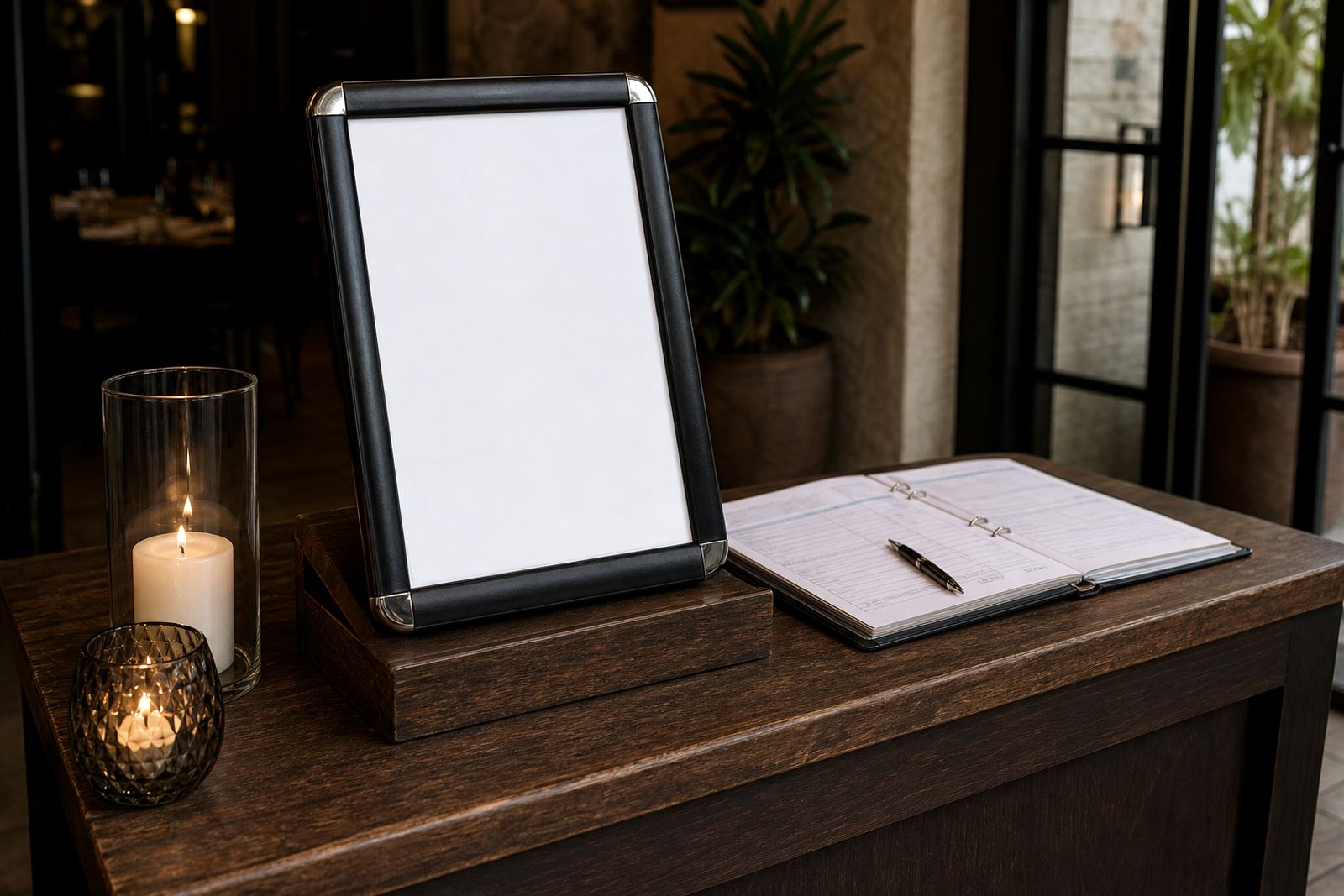
For handwritten specials, a chalkboard finish works well when the offer changes often. For printed specials, an A4 or A3 snap frame gives a cleaner result and keeps the sheet flat. Both styles suit short menus, rotating chef notes and single-item promotional boards.
Sizes, inserts and mounting choices that fit the space
The most common sizes are A4 and A3, with larger custom boards used where the specials need more room. A4 suits tight counter areas, cashier points and narrow wall sections. A3 gives better presence in a dining room, at a deli counter or near a window where the board must be read from a few metres away.
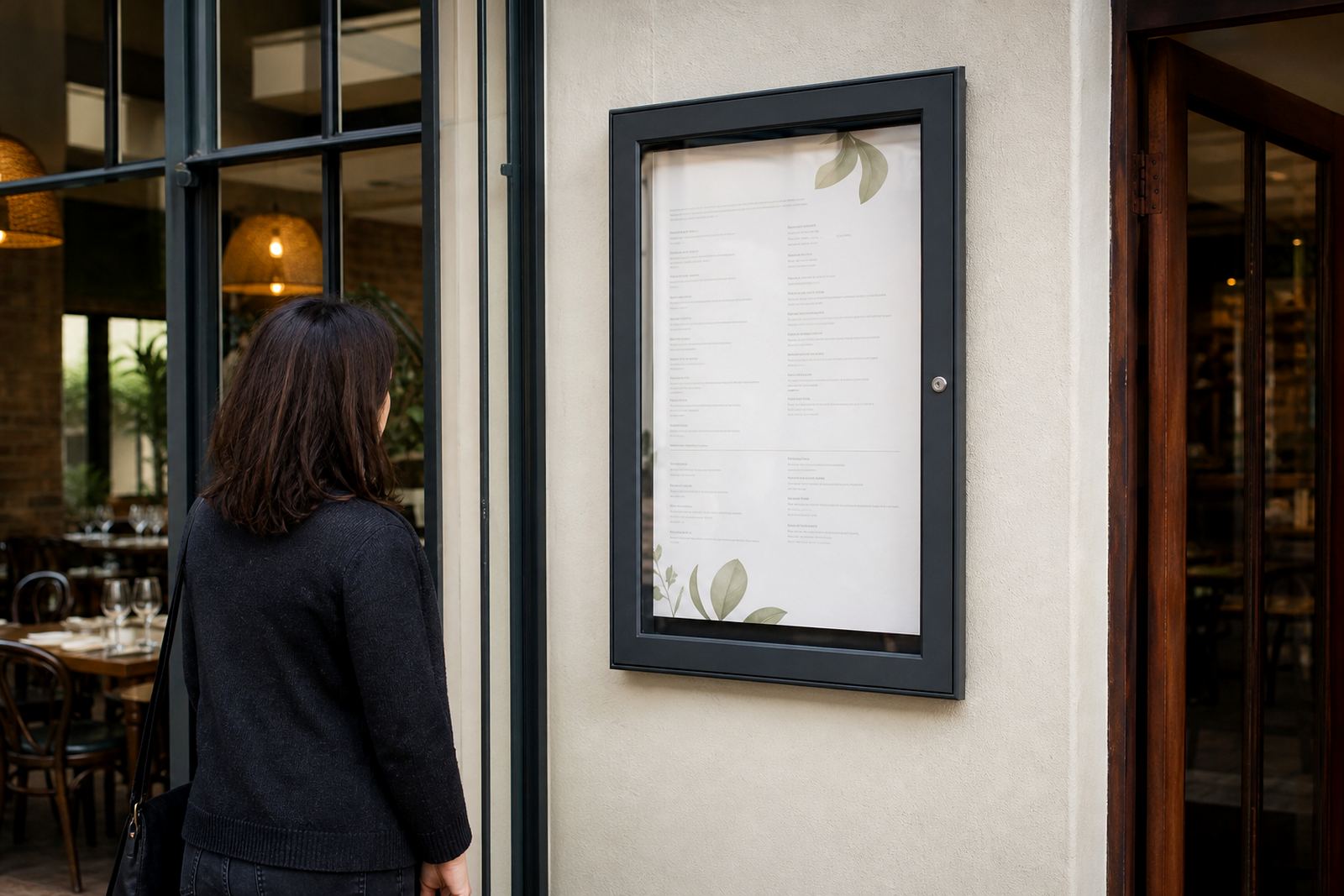
Wall mounting is standard for most daily specials boards, and window mounting is useful when the menu must face foot traffic from outside. In takeaway counters and café entrances, an A-frame stand gives a freestanding option that can move with the flow of the day. Where the board sits close to a serving hatch, the stand or frame needs enough clearance for staff to change inserts without bumping trays, doors or till equipment.
- A4: compact, suited to short lists and table-side notices
- A3: better for multi-line specials and larger pricing
- Wall fit: best for permanent positions behind the counter
- Window fit: useful for street-facing displays and early trade
- A-frame stand: practical for entrances, patios and queue lines
How the board is built for daily use
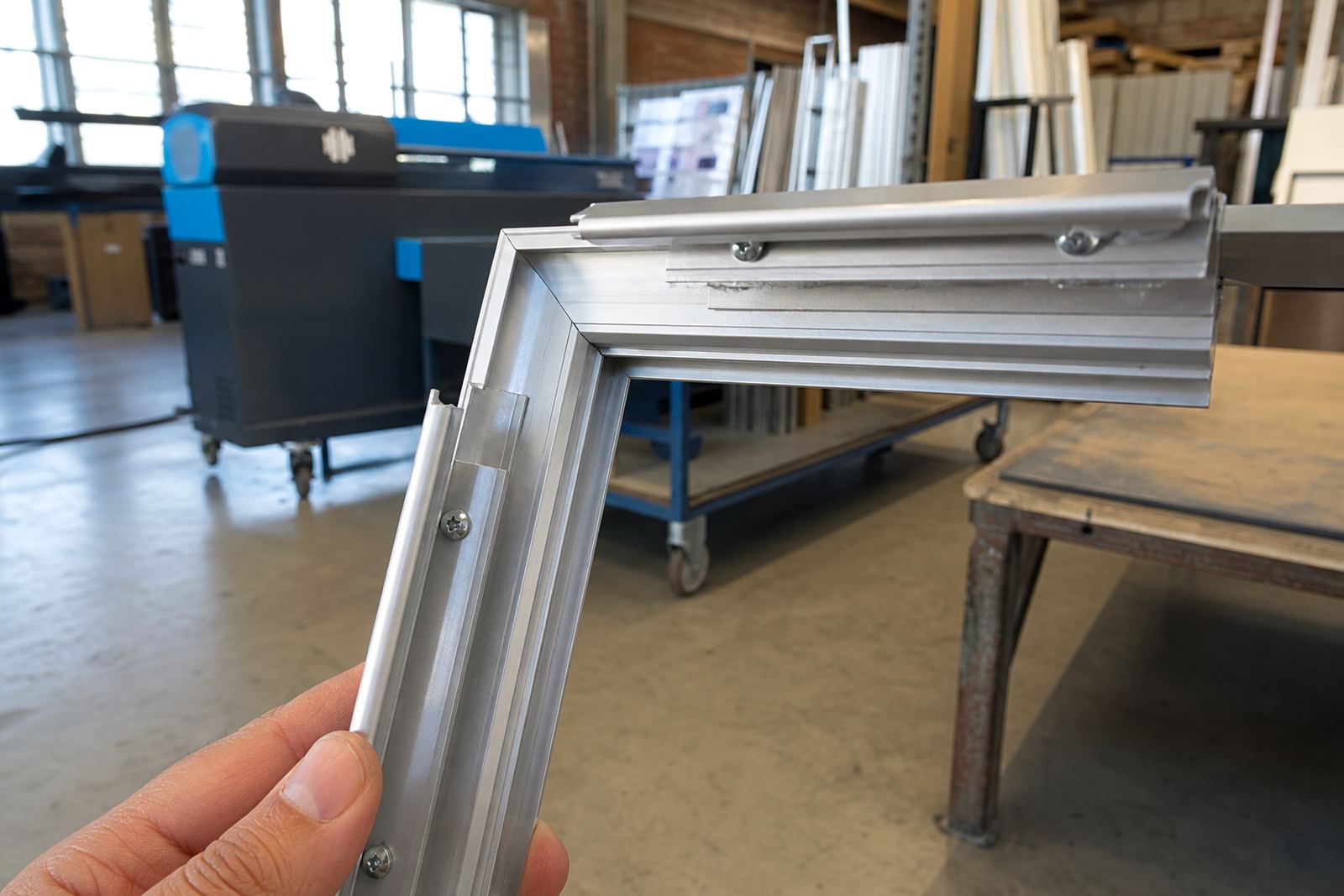
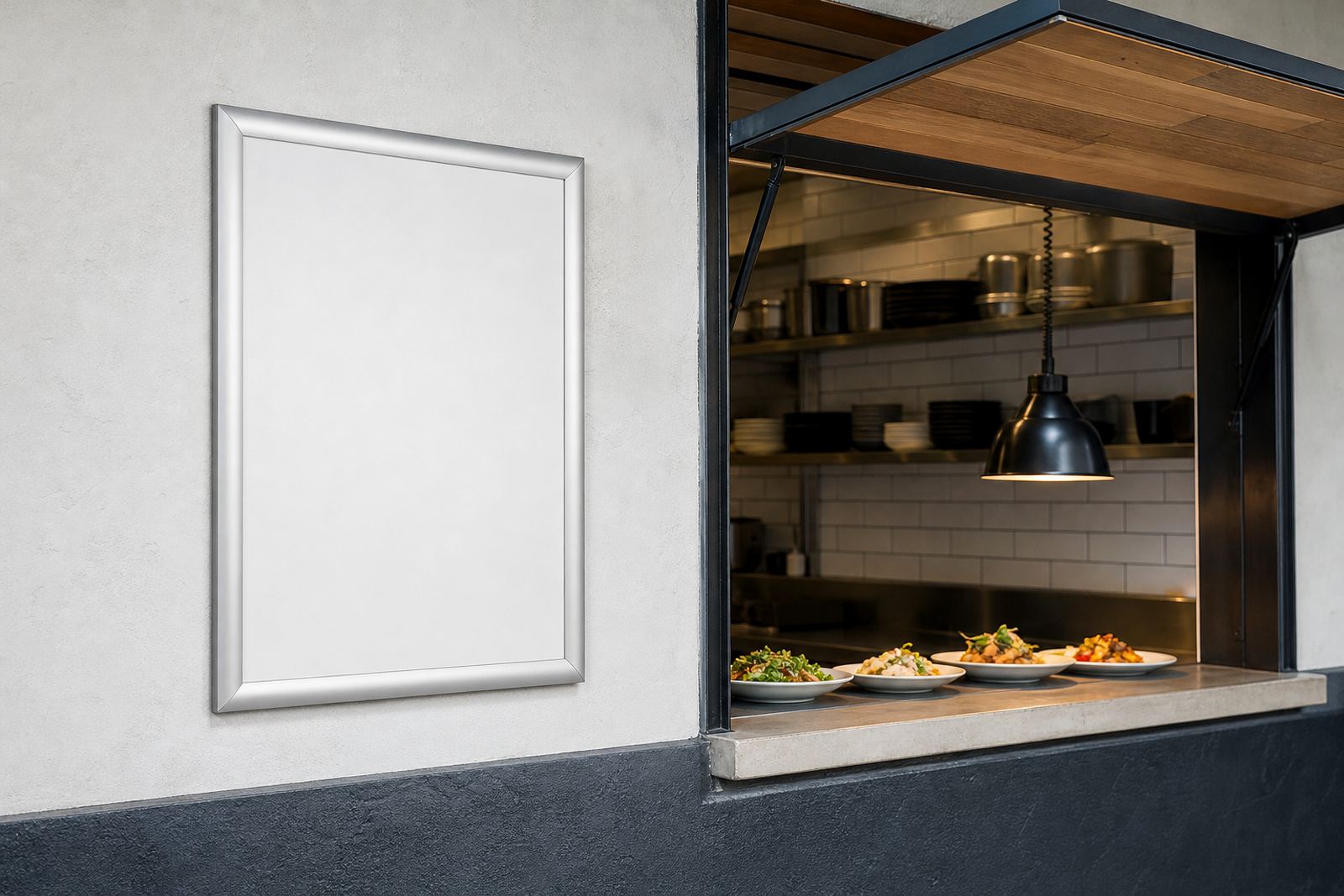
A working specials board gets handled often, so the frame and insert method matter. Snap frames use a hinged aluminium profile that opens at the edge, allowing the poster or printed sheet to be changed without tools. The anti-glare face protects the insert and cuts the shine that often shows up under café downlights or in daylight from a glazed frontage. On chalkboard units, the writing surface should clean back neatly without ghosting, especially when the board is used for soups, desserts and items that change more than once a day.
For menu printing, the artwork is usually set up to the exact insert size, with a safe margin so wording does not drift under the frame edge. If a board will be used with colour blocks, pricing columns or a kitchen note panel, that layout should be planned before printing. Matte finishes help in bright interiors, while glossy inserts can suit sheltered spaces where the board is read up close.
- Aluminium snap profile for quick sheet changes
- Anti-glare cover for better readability
- Chalkboard option for handwritten specials
- Printed insert option for fixed daily layouts
- Colour matching for branded headings and headers
Where these boards sit best in South African service spaces
In Cape Town, Stellenbosch and Durban, many dining rooms deal with strong daylight, salt air or glass-heavy entrances, so the surface finish and mounting position need a bit of thought. A board near a window should not fight the glare, and a coastal site benefits from fittings that are kept dry and checked now and then for corrosion marks. In Johannesburg or inland branches, the issue is more often dust and traffic, which makes easy-clean faces and firm wall fixing worth the extra care.
Daily specials boards suit restaurants, cafés, bars, bakeries, deli counters and takeaway shops. They also work well for lunch queues, breakfast service and late afternoon dessert lists. Where the board is meant to face the street, the print size needs to be large enough to read at a glance from the pavement. A board inside the room can carry more detail, especially where dishes, portions and notes must be listed clearly.
When the site has a narrow passage or an exposed counter, the placement should allow staff to change inserts without blocking customers. That matters in busy areas like Milnerton, Bellville and Paarl as much as in central city spaces, because a board that is awkward to reach ends up being ignored or left outdated.
Fitting details that keep the board usable
Wall-mounted boards need level fixing, a sound surface and enough space for the frame to open fully. On plastered walls, brick or timber backings, the fixing points should match the weight and size of the board. If the specials board is going into a shopfront window, suction or hanging fittings may be used depending on the glass layout and the position of the sunlight.
A-frame stands should sit flat on the floor and open wide enough to stay stable in a queue area or at a patio entry. If the board will move between indoors and outdoors, the hardware and insert type should be chosen with that in mind. On a windy corner, a lighter stand can shift if it is not weighted or placed correctly, so the location matters as much as the frame.
If the board is part of a bigger menu set, the print sizes need to match the other boards in the room. A4 specials can sit beside standard menu frames, while A3 or larger formats carry the louder message where a daily note must stand out. Courier packing also matters for intercity delivery, because frame corners and clear covers need proper protection in transit.
Keeping the board clean and readable
Care is straightforward, but it should be regular. Anti-glare covers should be wiped with a soft cloth and a mild cleaner, not anything abrasive that can cloud the surface. Chalkboard panels need a clean cloth and dry chalk or the right chalk marker, then a proper wipe-down so old writing does not leave a shadow. If the board is near a fryer, espresso station or pass, a light grease film can build up faster than expected and should be removed before it dulls the face.
Printed inserts should be stored flat, out of moisture and away from direct sun when not in use. In humid coastal areas, sleeves and inserts last better when they are kept dry and handled with clean hands. If a board is changed every day, it is worth keeping a spare set of inserts for the most common layouts, especially for breakfast, lunch and dessert changes.
- Wipe covers with a soft lint-free cloth
- Use gentle cleaner on clear faces only
- Keep printed inserts flat and dry
- Avoid rough scrubbing on chalk surfaces
- Check fixings and stand stability regularly
Details to confirm before the board is made
When ordering a daily specials board, the first detail is the size. A4, A3 or a custom format changes the layout, the print margin and the way the board fits into the space. The second detail is the surface type, whether it will be a snap frame with a printed insert, a chalkboard, or a board with a poster insert behind an anti-glare cover.
It also helps to confirm whether the board is wall-mounted, window-mounted or freestanding on an A-frame. From there, the exact wording, logo placement, pricing layout and colour matching can be set up for print. If the board will carry several lines of specials, the order of those lines should be planned before the artwork is set, because crowding the panel makes it harder to read from the counter or the doorway.
For sites across Cape Town, Stellenbosch, Johannesburg, Durban and Gqeberha, courier packaging should also be considered with the order. Frames, covers and board corners need packing that keeps the parts square and ready for fitting when they arrive. Where a team wants a print-ready template, the menu can be sized to the chosen frame so the insert lands properly inside the snap edge.
Key facts
| Product type | Daily specials board for rotating menu items and notes |
|---|---|
| Common sizes | A4, A3 and custom board sizes |
| Frame material | Aluminium snap profile |
| Display options | Printed insert, chalkboard, poster insert |
| Mounting options | Wall mounted, window mounted, freestanding A-frame |
| Finish options | Anti-glare cover, laminated print, colour matched artwork |